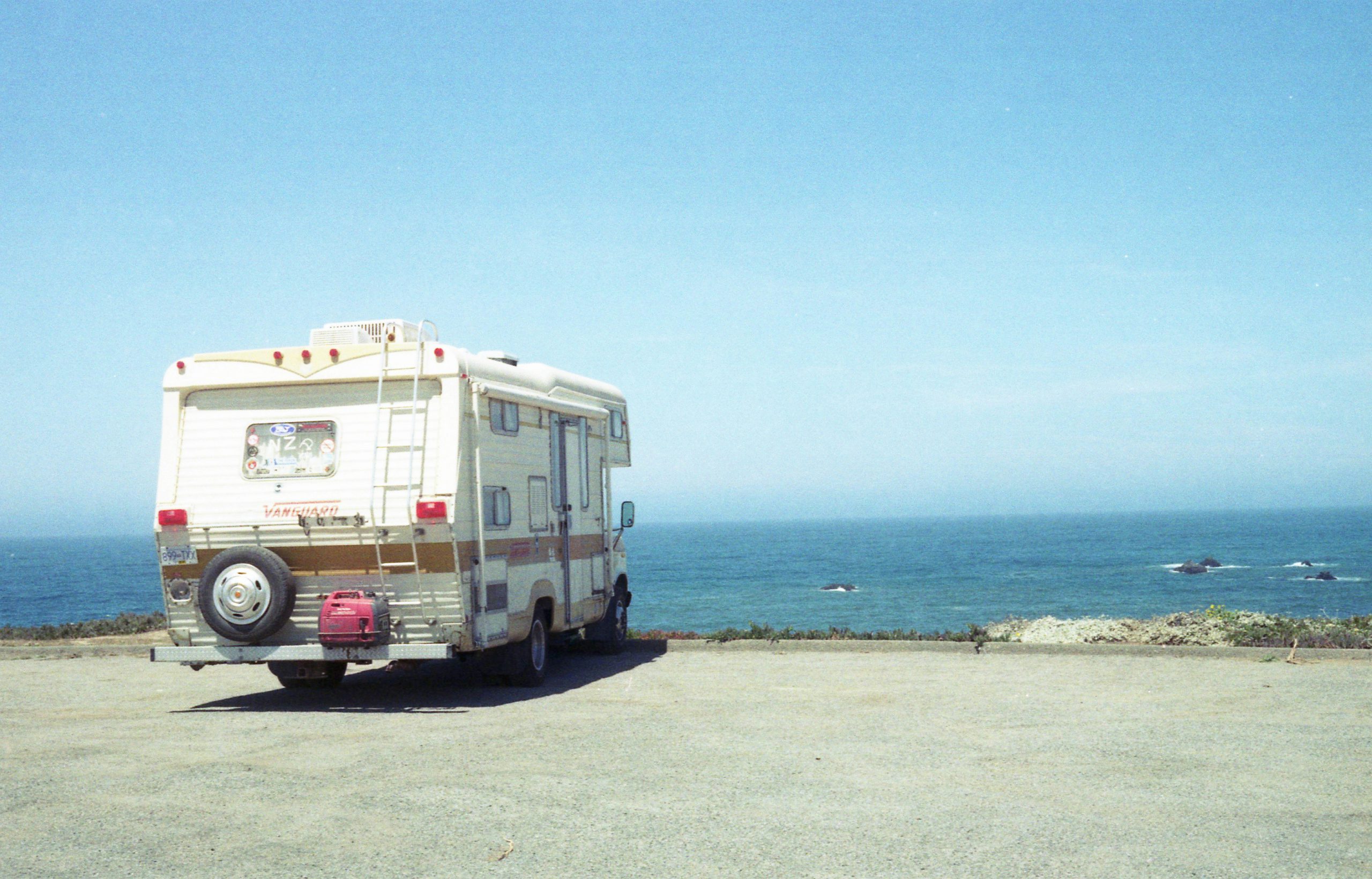
Your first camper trip: 5 practical tips for beginners
More and more people are discovering the freedom of traveling with a camper. Especially for beginners, it is important to be well prepared, so that your first camper trip runs smoothly and pleasantly. Whether you rent a camper or have just bought your own, with the following five practical tips you can hit the road carefree as a new camper.
1 Ensure you have the right papers and preparations
Good preparation is half the battle, especially when it comes to camper trips. Well before departure, check that all your documents are in order. Think of a valid driver's license (for large campers >3500 kg you need a C1 driver's license), passport/ID and possibly an international driver's license for travel outside the EU. Don't forget to arrange your insurance papers – for rental campers this is often arranged through the rental company, but with your own camper you need to arrange good camper insurance yourself. Furthermore, in some countries you need an environmental sticker or environmental vignette for certain cities or regions. Such as in parts of France and Germany. Apply for these in time to avoid fines. Finally, it is wise to plan your route roughly in advance and check whether you need toll roads or special vignettes for your route. You can find information about this on the website of the ANWB.
2 Pack smart and check your equipment
A camper offers limited space, so pack your luggage and equipment thoughtfully. Make a checklist of essential items for on the road such as personal items but also practical camping gear. For example, think of an extension cord and adapter plugs for electricity, a water hose to fill the water tank and toilet chemicals if you have a chemical toilet on board. Also check if the camper equipment is complete. Especially with a rented camper, a lot is often present, but check to be sure if things like kitchen inventory, camping chairs and tools are present. Take into account the climate of your destination: even in summer you can experience cold or wet weather at the location. So make sure you have both swimwear and warm clothing and a good rain jacket, so you are prepared for all circumstances. Finally, don't forget safety: a fire extinguisher, first aid kit and flashlight are standard in the camper equipment.
3 Keep driving safe and comfortable
Driving a camper is different from driving a regular passenger car. A camper is larger, heavier and has a longer braking distance, so adjust your driving style accordingly: drive calmly, anticipate traffic and keep extra distance from the vehicles in front of you. Before you leave, it is smart to practice with the vehicle. Take a few test drives on a quiet area. Practice basic maneuvers such as reversing, parking and taking a sharp turn. This way you get used to the dimensions of the camper.
Also check before departure that everything is properly stowed and locked in the camper to prevent flying objects while driving. Adjust your mirrors correctly for optimal visibility and write down the height and width of the camper on a note on the dashboard, so you don't encounter any surprises at low viaducts or narrow passages. If you are still somewhat unsure about driving, consider a short driving course for campers, the NKC (Dutch Camper Club) offers driving skills training to introduce beginners to camper driving.
4 Plan your route but stay flexible
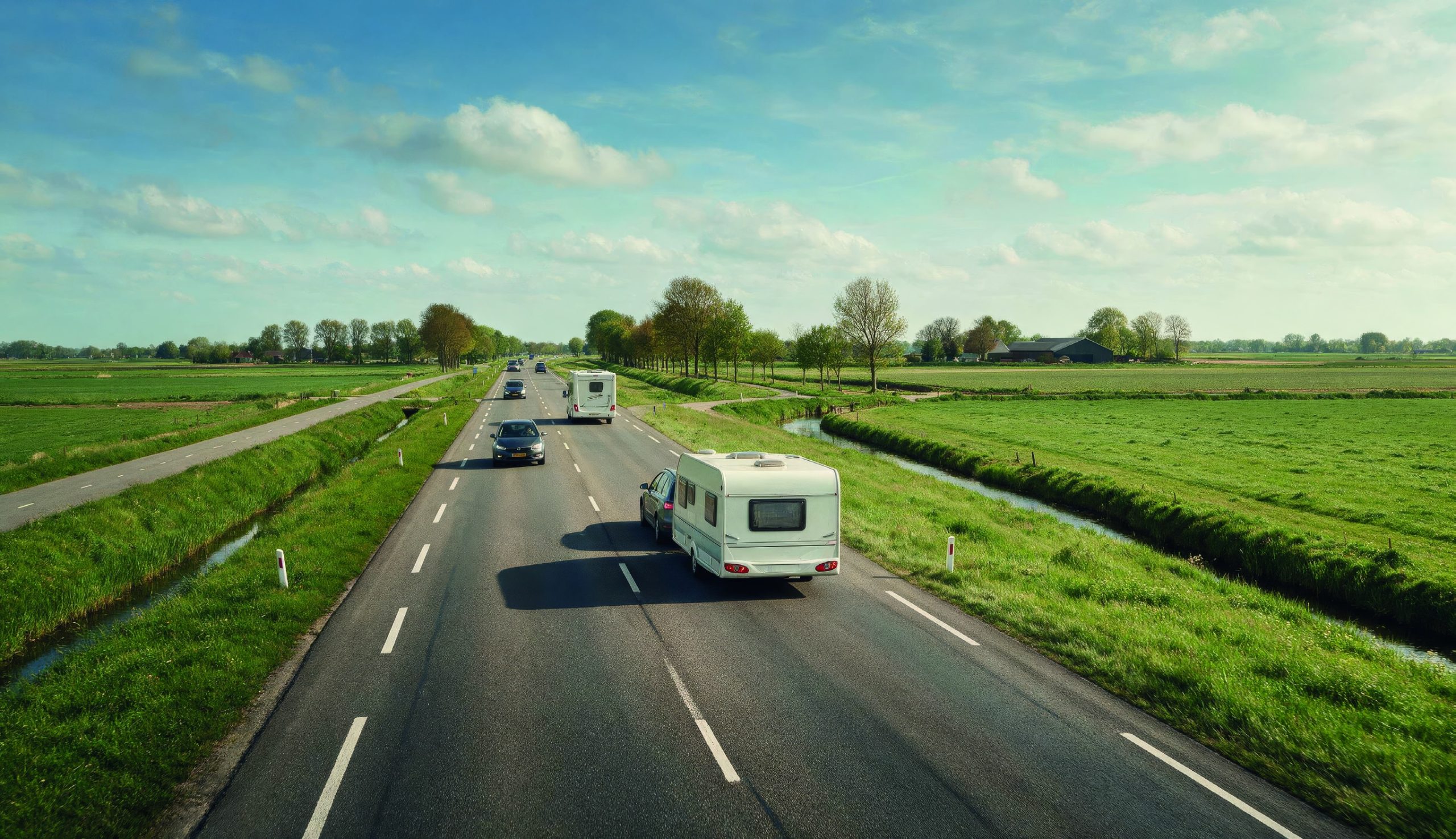
One of the nicest aspects of traveling with a camper is the freedom to go wherever you want. It is useful to roughly outline your route, but also leave room for spontaneous detours and extra stops. Take into account a lower average speed – with a camper you are usually on the road longer than with a car, especially on country roads.
Try not to cover too many kilometers in one day; 200 to 300 km is comfortable, so you can regularly pause along the way and enjoy the surroundings. Route planning can be simplified with special navigation for campers or caravan route planners that take into account the height and length of your vehicle. The ANWB caravan and camper route planner, for example, helps you choose a suitable route and even shows campsites or camper pitches along the way. Stay flexible during the trip: if a certain place is disappointing or very nice, feel free to adjust your plan. After all, that freedom is the great advantage of camper travel.
5 Choose your overnight stay in time
Finally, it is important to think about your overnight stay in time every day. In many European countries, wild camping with a camper is limited or prohibited, so look for an official campsite or camper pitch for the night. Popular campsites can fill up during high season, so arriving on time or booking in advance is recommended. especially for beginners, a reserved spot provides peace of mind.
There are useful apps and websites such as Campercontact from the NKC where you can find thousands of camper locations with facilities and reviews from other campers. Upon arrival, make sure you level the camper with leveling blocks if the ground is uneven, and connect electricity and water if possible. Get to know your neighbors and inquire about any house rules at the campsite, for example about where you can discharge wastewater or until what time it should be quiet. Once installed, you can enjoy the location and relax with peace of mind. Your home on wheels is ready for the next adventure.
The first camper trip is exciting, but with good preparation and these practical tips you will have a wonderful holiday. Take the time to get used to camper life and, above all, don't forget to enjoy the unique freedom that a camper offers. Do you first want to experience what it's like to go on a trip with a camper? Then consider renting a camper. Through a platform like Campstar you can easily find a camper that suits your needs, from professional rental companies all over the world. This way you can start your camper adventure relaxed, ready to make memories on four wheels!
More information: campstar.com/nl/camper-huren