Camping heater: nice and warm with proper use
Are you planning to go camping this winter or next spring? It gets quite chilly in the evenings and at night. It's nice to have a heater then. Which camping heater do you choose and what are the differences? Broadly speaking, there are three options.
Gas heaters
Various gas heaters are available in camping supply stores. These are usually well secured, otherwise they would not be allowed to be sold. Examples include tip-over protection, thermoelectric protection, or oxygen depletion protection. There is also a grid that protects against heat and on which you can place a kettle of tea water. The heaters usually run on propane/butane. For use in a caravan or camper, there are models specifically designed for this purpose. But a universal, portable heater is also an option. A portable heater is nice and mobile and can often even be moved while the heater is on. For heating a single room, gas heaters are generally more economical than other heaters.
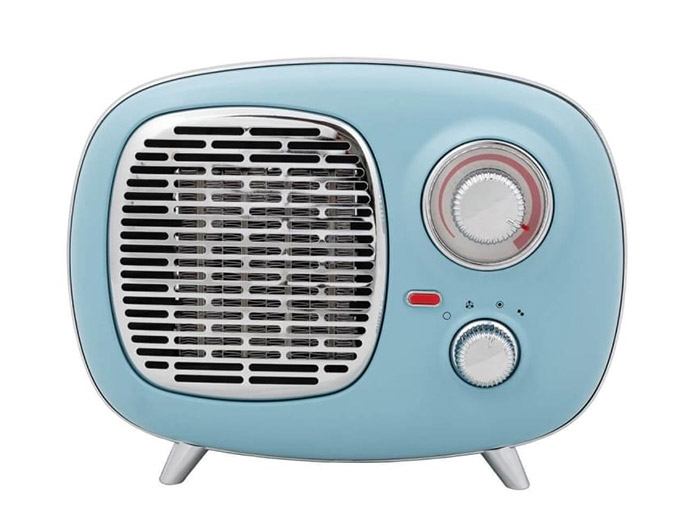
Electric camping heater
With an electric heater, you can quickly bring a tent, caravan, or camper to the ideal temperature. Most electric heaters are compact and therefore easy to take with you on a camping holiday. In addition, they are generally a lot cheaper than gas heaters. An important point, however, is that you need to check the power consumption carefully. If it is too high, you won't make friends at a campsite that suddenly goes completely dark. When connected to a battery and inverter, your own power supply will quickly be depleted. Electric heaters can be set to different settings. There is also a difference between heaters with or without a fan. Heaters without a fan provide radiant heat, while heaters with a fan ensure that the heat is evenly distributed throughout the room.
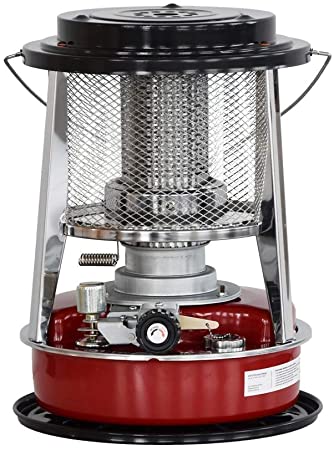
Oil heaters
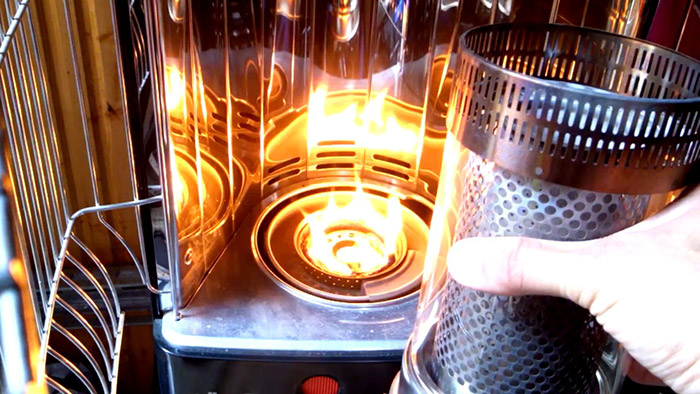
Oil heaters are known to emit a pleasant warmth. It feels like a warm blanket wrapped around you. In addition, oil heaters are very economical. With one liter of fuel, it is possible to heat your camping vehicle for about five hours. The oil is relatively cheap. So heating with this camping heater is economically attractive. The heat efficiency of 85 percent is high and the room also stays warm longer. Oil heaters, like electric heaters, are available with and without a fan.
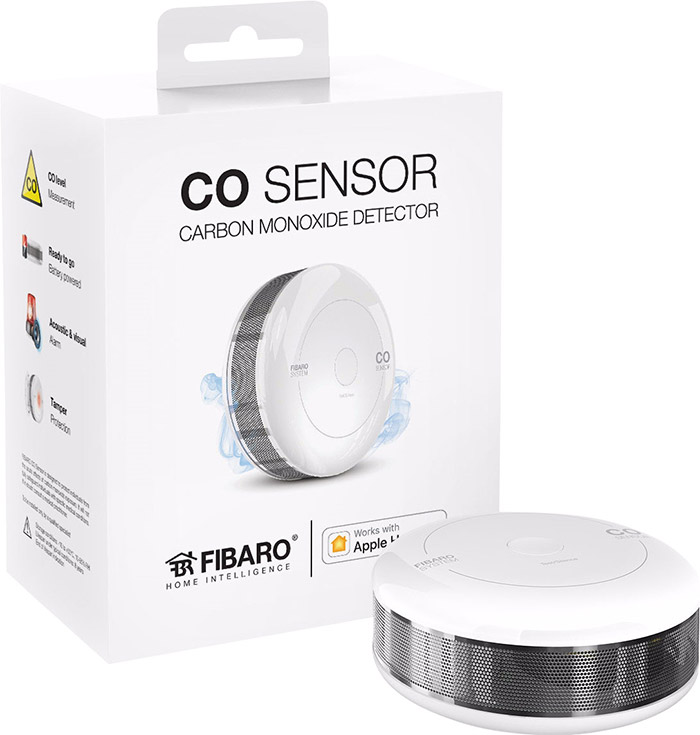
Carbon monoxide
Every manufacturer or seller of an oil or gas heater will swear that no harmful gases such as carbon monoxide, soot, or odor are released. However, there is something to be said about that. First of all, there is the disclaimer that you must ventilate properly. Carbon monoxide, an odorless deadly gas, is heavier than air and will accumulate from the floor. A higher placed window is then not sufficient. Carbon monoxide (CO) is caused by incomplete combustion. When a camping heater with open combustion is in perfect condition and the correct fuel is used, there is not much to worry about. But when a wick or mantle is damaged, a dangerous situation can arise. The combustion is then no longer complete, with the result that you will not wake up without the right measures. Ventilation is important for this, leave the door ajar. But even more important is installing a CO detector. Place it low, near the burner. This way you will be woken up in time, and for the cost of a few tens of euros, you don't have to let it go.
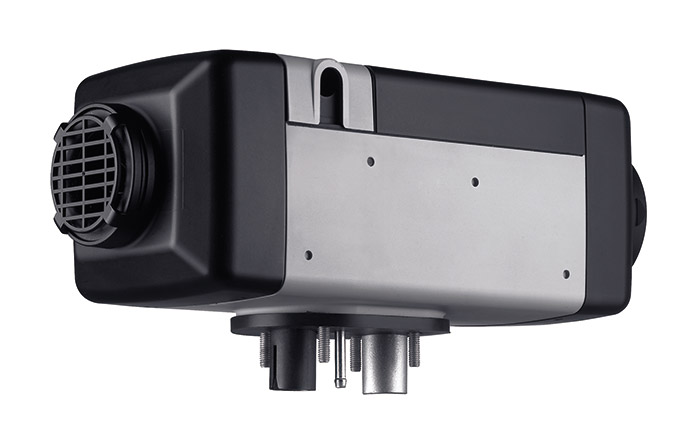
An electric camping heater is the safest choice, but power consumption is a point of attention. Gas or oil heaters can also be used perfectly, provided you ventilate and install a CO detector. For a camper or caravan, a built-in heater is preferred, as it has an exhaust to the outside, which greatly reduces the chance of gas formation. But even here, the installation must be in order, and it is wise to install that CO detector even with a fixed built-in heater.
Looking for a handy camping heater? Then take a look at Kampeerwereld Hendriks
You can find a suitable camper or caravan at CampersCaravans.nl