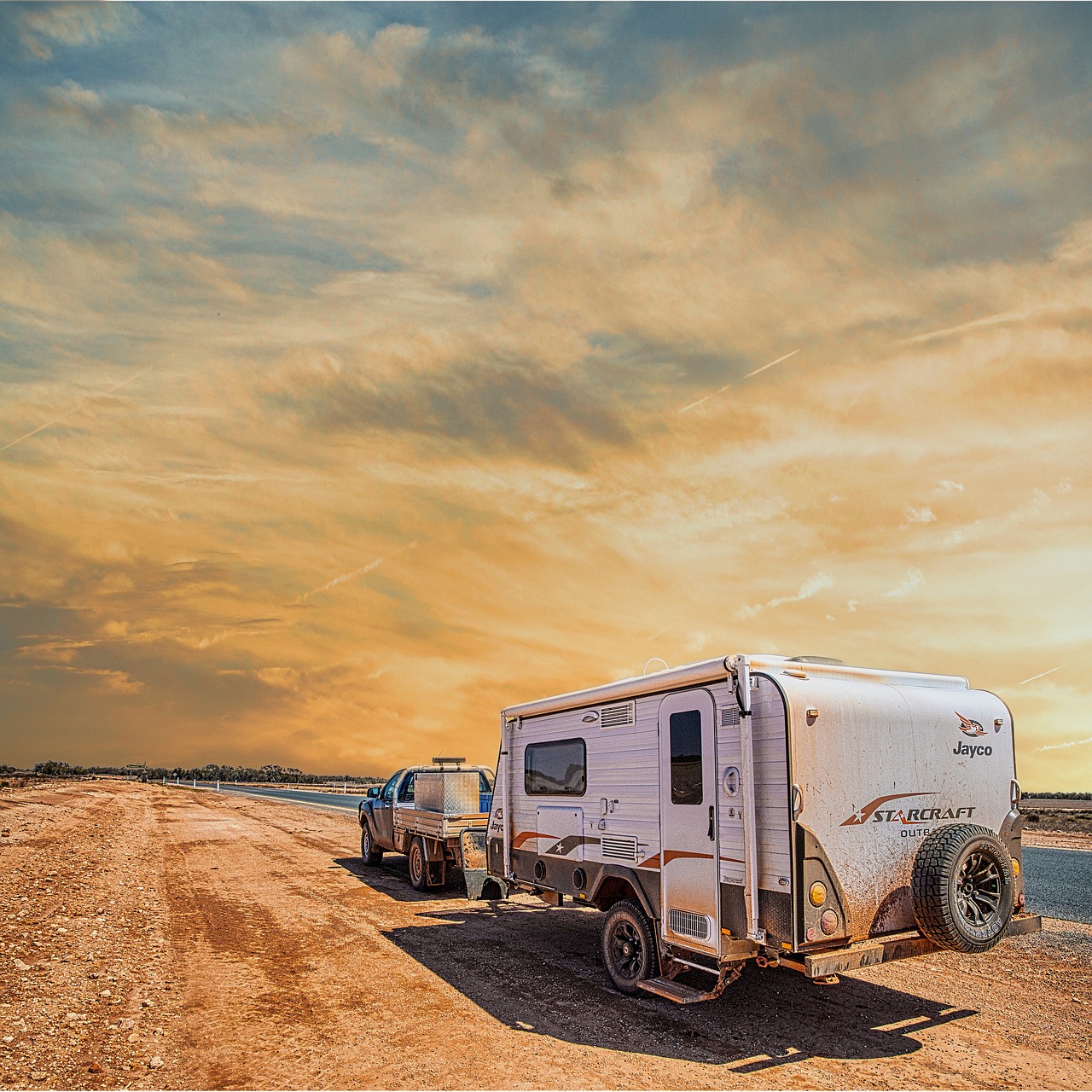
Hybrid driving with a caravan is economical on paper, but how does it work in practice?
A hybrid car sounds like a logical choice if you like to drive economically and still want to go on a trip with your caravan. In daily traffic, you often immediately notice the advantage of electric assistance when accelerating. With a caravan behind it, that feeling changes. You demand more from the drivetrain, and then practice comes into play. Perhaps you mainly commute during the week and go to the campsite a few times a year. In that case, you increasingly hear that people opt for operational lease because they like to keep driving a modern car without committing to a single purchase moment.
Why fuel consumption increases faster with a caravan
With a caravan, you catch more wind. You notice this especially on longer stretches and at higher speeds. Even if your car is very economical solo, fuel consumption with a caravan can increase significantly. With a hybrid, there's an additional factor: if the battery provides less assistance, the petrol engine has to work harder. Then the car can suddenly rev higher, especially on inclines or when overtaking. The advantage is that the electric clutch is often immediately ready. That helps when pulling away on an incline or on a soft camping pitch. Plug-in hybrids, in particular, are known for that “smooth” pulling from a standstill, but it remains important that the towing weight matches your caravan.
Towing weight and ratios
The basic principle remains simple: you should never tow more than is permitted on paper. You can find the towing weight on your registration certificate and in the RDW vehicle registration register. There you can also find data on the maximum combined weight of the car and caravan. For the driving experience, not only what is allowed counts, but also what is sensible. The ANWB, for example, uses the 75% rule as a guideline for stability: the (laden) caravan weight should preferably not exceed 75% of the (laden) car weight. That is not a law, but it helps to drive more calmly and feel less “push” from the caravan.
How to get more out of hybrid technology on the road
If you accelerate gently and anticipate, you will benefit most from electric assistance. Also try to drive as consistently as possible, because a lot of accelerating and braking costs extra energy. With a plug-in hybrid, charging before departure can help, but don't expect to drive “fully electric” for long with a caravan. It is striking that research shows that many caravan owners now do like hybrids, while fully electric is still less popular as a towing vehicle, mainly due to the reduced range.