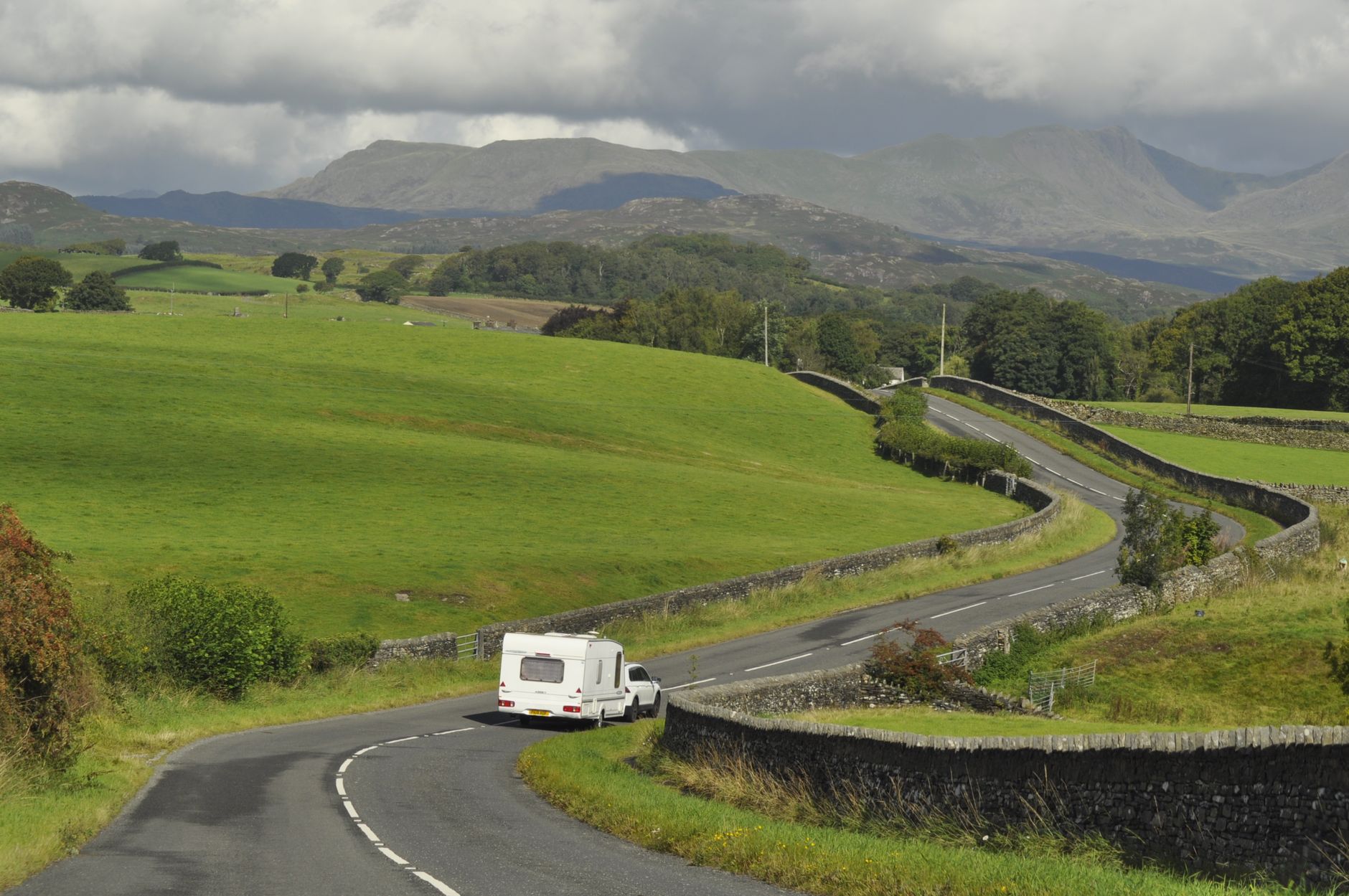
Traveling with the caravan after your retirement: what do you need to know?
Have you been dreaming for a while about traveling extensively with your caravan after your retirement? No more alarm clock, no more meetings or office days, and the freedom to stop wherever you want: sounds wonderful, and it is. But before this becomes a reality, it's wise to think about a number of things in advance.
Consider, for example, your finances and administrative matters: long-term travel involves quite a bit of paperwork. In this article, we will outline the most important points for you.
How long can you be away?
Many people don't know it, but there's a limit to how long you can stay abroad without consequences. Are you outside the Netherlands for more than eight months a year? Then you are legally obliged to deregister with your municipality. This is done through the Basisregistratie Personen (BRP - Personal Records Database).
In addition, it's important to consider your insurance. Will you take out a caravan insurance for your trip, or do you already have an insured caravan? Many insurers have a maximum number of insured days when traveling abroad. This is often around 180 days.
What if you stay longer?
If you plan to travel for longer, it is therefore important to deregister with your municipality in time. This involves additional administration. Because if you are not registered, your health insurer will state that you no longer live in the Netherlands. This may mean that you have to cancel your Dutch health insurance and take out special worldwide travel insurance.
The same applies to your car and caravan insurance. It is therefore useful to look for specialist insurers before departure who also cover long trips. There is also another option: requesting a postal address with the municipality. This way, you are not completely deregistered, and your mail will still reach family or friends.
In addition, you may wonder about taxes if you are (partially) deregistered. As long as your income (such as your AOW and employer's pension) comes from the Netherlands, you will pay taxes on it in the Netherlands. Are you ultimately settling elsewhere? Most European countries have a treaty with the Netherlands to prevent double taxation.
What costs will you incur?
In addition to administration, you will naturally also face various costs if you travel for a long time. It is therefore important to have a good understanding of this so that you can estimate your budget well in advance. And that goes beyond just the costs of fuel and the campsite.
Consider, for example, a buffer for maintenance and unexpected repairs along the way, daily groceries, and fun outings. How much you spend on this varies by country. Also, take into account medical costs, even if you are well insured. These can be considerably higher abroad than in the Netherlands. And are you keeping your home in the Netherlands? Don't forget your fixed costs for it.
For long trips, a financial buffer is therefore very welcome. This way, you can cover unexpected costs without problems. How you arrange this buffer depends on your personal preference. For example, you can build up extra pension for more financial room in your old age. Is your pension approaching? Then you can also start your own savings pot for some extra pocket money in the shorter term.
Freedom with good preparation
Traveling with the caravan after your retirement is a wonderful dream. By thinking about the administrative and financial aspects now, you will only have to focus on your holiday destination(s) later. This way, you can concentrate on what really matters: enjoying your new freedom.