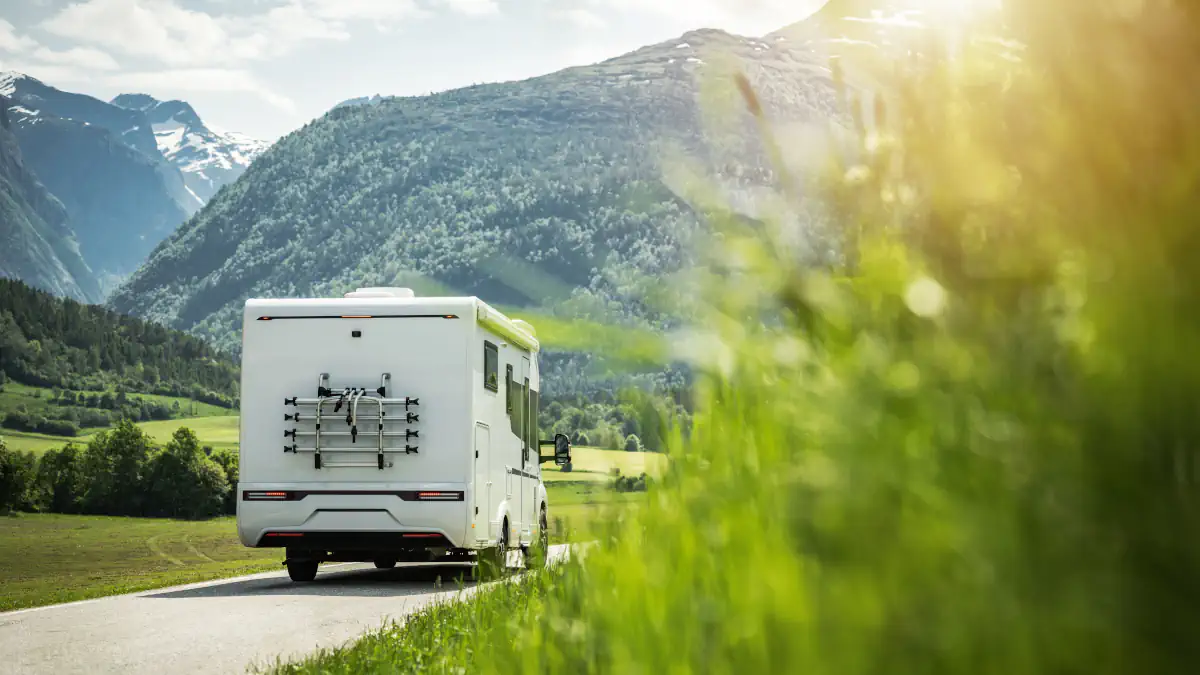
Safe on holiday in Europe with a camper van
Why good preparation is indispensable for camper van trips
Traveling with a camper van or caravan often feels wonderfully free. You determine your own route, stay an extra night at that idyllic campsite by the lake, or drive on if the weather is bad. This freedom also brings a bit of responsibility. If something goes wrong, you're not standing with a rolling suitcase at a hotel reception, but with a camping vehicle by the side of the road.
Precisely because you often only make one or two longer trips a year, it's smart to consider the practical side of that freedom beforehand. Think about the technical condition of your camper van, documents, health, but also financial and insurance matters such as a suitable short-term travel insurance for the duration of your trip. This way, you can enjoy the most beautiful camping spots carefree along the way.
Essential documents for a carefree camper trip
A camper trip only really begins when all your documents are in order. That sounds boring, but it prevents a lot of hassle if you encounter a breakdown, damage, or a check along the way. At home, create a folder or digital folder with everything you might need and keep it accessible in the camper van.
Vehicle and ownership documents
For camper vans and caravans within Europe, at least these documents are important: registration certificate, valid MOT report (insofar as required), and a green card or insurance certificate of your vehicle insurance. If you rent a camper van, make sure you have your rental agreement and any authorization from the rental company with you. For a trailer or caravan, in some countries, your own registration and insurance may also be requested.
Identity, health, and emergency numbers
In addition to your passport or identity card, it is useful to make copies and keep them separately. Take a European Health Insurance Card (EHIC) or proof of your health insurance with you and note important medical information such as allergies or medication use. Also, keep the emergency numbers of your breakdown assistance, travel insurance, and bank on paper, so you are not dependent on a phone that may run out of battery or get lost.
Healthy and safe on the road with a camper van
Those who travel with a camper van often combine long driving days with an active outdoor life. That's wonderful, but it also requires a bit of planning. A short walk in the mountains or a bike ride along a river can already lead to an injury, especially if you misjudge the terrain or the weather. Shorter holidays also invite you to want to see a lot at a high pace, which means fatigue is lurking.
Medical preparation and first aid in the camper van
A well-stocked first aid kit in your camper van is not a luxury. Think of remedies for insect bites, blister plasters, painkillers, a tick remover, and sterile gauze. If you take regular medication, make sure you bring plenty, along with an overview of your medicines in English. Before departure, check which medical costs abroad are covered by your health insurance and for which you need additional coverage in your travel insurance.
Rest, driving times, and sense of security
With a camper van, you are not only a traveler but also the driver of a heavy vehicle. Plan your route so that you include sufficient rest periods, especially on days with many highway kilometers. Where possible, switch drivers and give yourself time to get used to cornering behavior, blind spots, and braking distance. Many camper van owners feel more comfortable if they have found a pitch before dark and do not have to set up in the dark.
Financial risks and insurance for camper holidays
Anyone who buys or rents a camper van or caravan often puts a significant amount of money on the table. If something goes wrong on a trip, the costs can quickly add up. Think of damage to your vehicle, loss or theft of luggage, medical costs, or having to return home early. Not everything is covered by your regular vehicle or health insurance. Therefore, it is wise to consider beforehand which risks you can bear yourself and which you want to insure.
What does travel insurance cover when camping?
A short camping holiday entails very different risks than a city trip. Luggage is not limited to a suitcase but consists of camping chairs, an awning, bicycles, and cooking equipment. A stolen phone or camera can also significantly disrupt your trip. In good travel insurance, damage, loss, or theft of luggage is often co-insured up to a certain maximum, while for valuable items you sometimes need extra coverage. Carefully check the conditions and ask yourself in which situations you do not want to incur unexpected costs before you consider taking out travel insurance .
Cancellation and unexpected interruption of the trip
Especially with a camper holiday, plans are sometimes made long in advance. Campsites are reserved, ferries booked and in high season popular routes quickly fill up. If you can't go due to illness, an accident or circumstances at home, or have to return halfway, this can have a financial impact. An additional cancellation cover will in many cases reimburse (part of) the costs of missed travel days or unused reservations. It is useful to consider which scenarios you want to cover, for example in case of serious illness of a family member or sudden dismissal.
Practical tips for a relaxed camping holiday in Europe
In addition to papers and insurance, there are countless small choices that make your trip more pleasant and safer. Many experienced campers develop their own routines and checklist after a few years. If you are just starting out or trying a new route, it helps to consciously build up that knowledge, so you don't have to reinvent the wheel at every new campsite.
Smart packing and furnishing the camper
Overloading is a classic theme with campers and caravans. The tempting thing about a moving home is that you quickly take more than is actually necessary. Nevertheless, it is important to take the maximum permissible weight seriously, both for safety and in the event of checks or an accident. Distribute the load evenly, place heavy items low and close to the axle and secure fragile items so they don't shift. Label bins or cupboards, so you don't have to search for simple things like a flashlight or matches on the road.
Overnight stays, safety and a sense of freedom
Those who travel by camper are often looking for that one quiet spot with a view or for cozy campsites with facilities. Read up on the rules in the countries you travel through in advance. Wild camping is subject to strict rules or prohibited in many popular destinations. Official camper pitches or small-scale campsites usually offer a good mix of freedom and safety. In addition to rules, also listen to your gut feeling: if a place doesn't feel right, drive on to another location, even if that means you have to adjust your original plan.
Camping with more certainty and room for adventure
A camper or caravan trip is an excellent way to travel slowly, spontaneously turn off at that sign to an unknown village and have breakfast with a view of the mountains instead of a parking lot. That spontaneity comes into its own best when the basics are in order. With attention to the technical condition of your vehicle, a clear set of documents, a well-considered insurance choice and a few fixed routines around health and safety, there is room to really enjoy yourself on the road. This way, every trip, short or long, becomes an experience you will look back on with pleasure for years to come.