VAN-Jorn CHARGE: the first full-size electric camper van
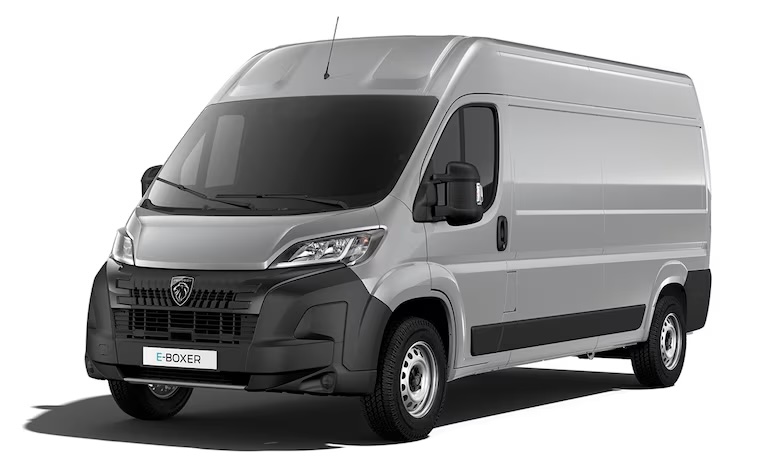
The Dutch camper brand VAN-Jorn recently launched the first usable full-size electric camper van. The newcomer has been named CHARGE and is based on Peugeot's e-Boxer. This second generation electric van from parent company Stellantis offers, for the first time, a range, payload, and price that are useful for campers. VAN-Jorn perfects it by turning it into a camper with a lightweight interior based on a unique concept.
Peugeot e-Boxer
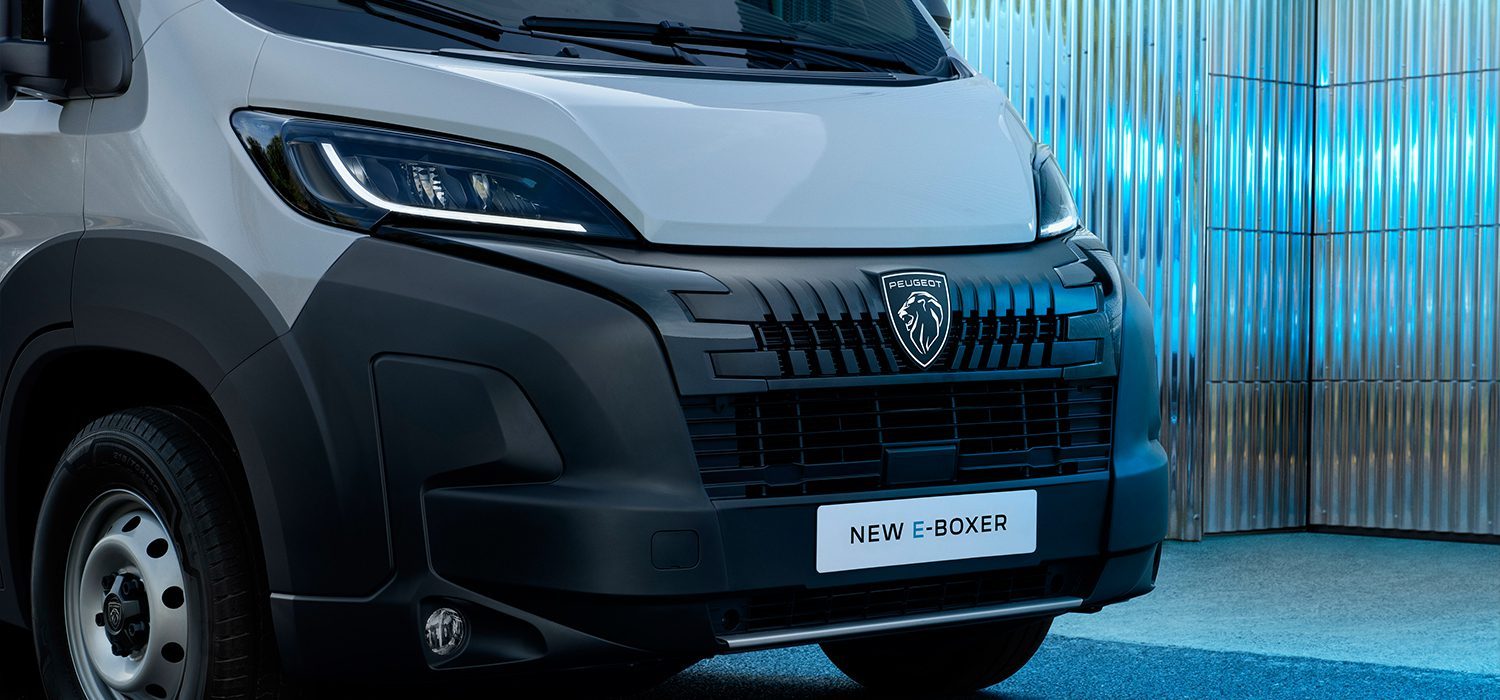
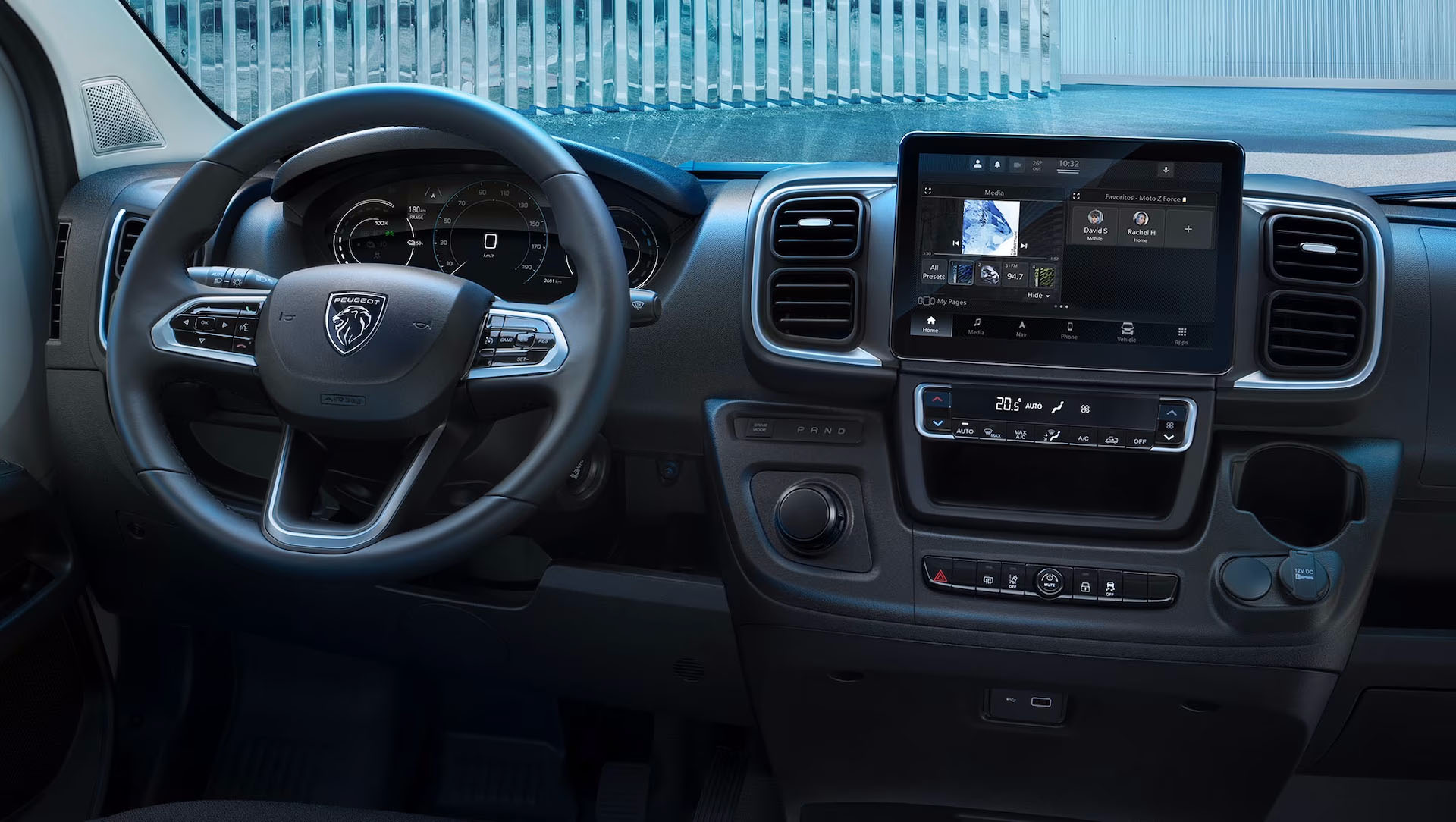
Not much has changed in terms of appearance with the introduction of the new e-Boxer. The front bumper has a different design, and that's about it. It remains the same delivery van that has been sold for quite some time under the various Stellantis brand names. Behind the wheel, however, there are numerous changes. The seating position has been completely redesigned and equipped with the latest generation of driver assistance systems. The driving characteristics are otherwise comparable to the diesel version, especially in the mountains, the electric drivetrain proves superior to other drivetrains. Of course, the diesel rumble is absent during acceleration, and you have plenty of torque directly available from a standstill. But once at speed, it's the tires and wind noise that make sound.
Range
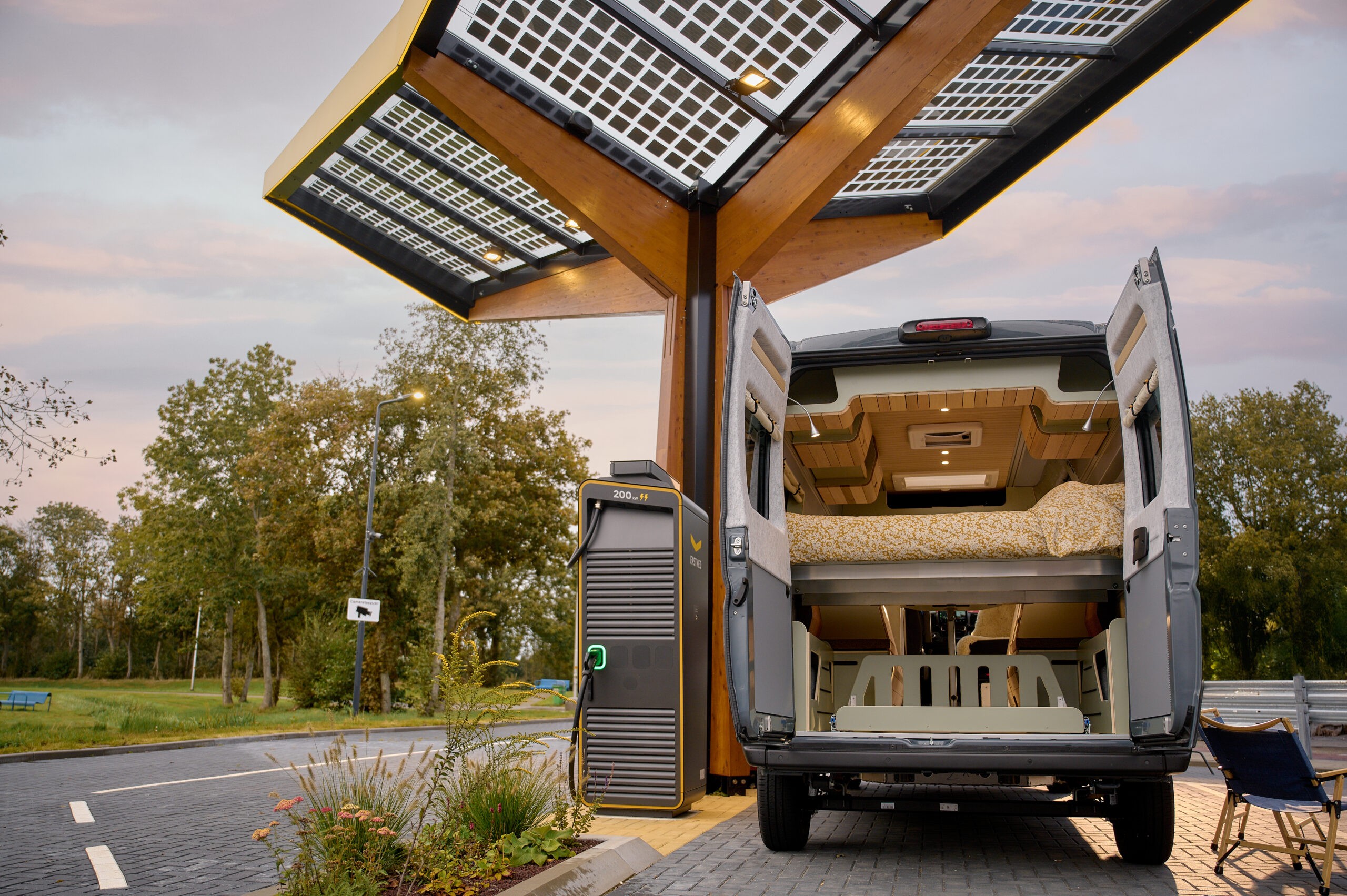
The 110kWh battery of the new Boxer provides a range of 420km (WLTP). In practice, you'll get a bit less than that, but approximately 380km is still a nice day trip to the next campsite. (Practical range (with camper conversion) 350km. Charging speed 150kW) With the new 4250kg on B-license rules, the payload is no longer an issue either. For a longer trip, the battery pack can be charged to 80% in 55 minutes with a 150kW fast charger. Charging at home or at the campsite is also possible, even with 6A shore power you can get the battery full again. Of course, that takes a lot longer, but what does that matter when you're sleeping soundly.
Weight
An electric car weighs more than a fossil version, and the same applies to a delivery van. The e-Boxer therefore has about 500kg less payload than the diesel version. If you put an overly heavy camper interior in it, you won't make it with a B driving license. However, this argument doesn't carry much weight, as regulations are coming that will increase the maximum B driving license weight to 4250kg. However, lightweight remains very interesting, as the road tax (mrb) is calculated based on its weight. In addition, the quarter rate will disappear in 2026 to make way for a half rate. This doubling of road tax for campers means that every 100kg less saves approximately €20 per quarter in state coffers.
VAN-Jorn
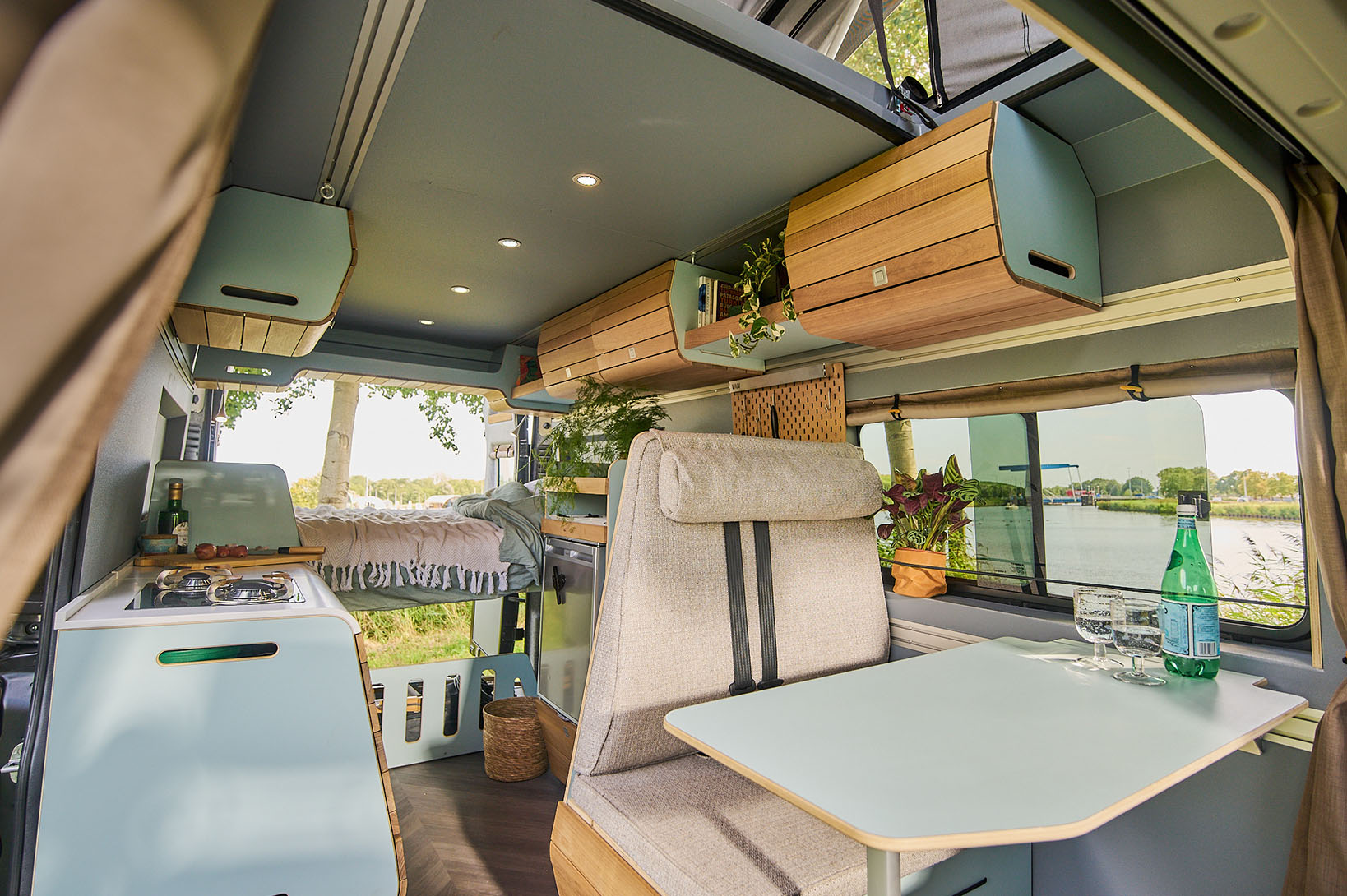
Beautiful things are made in Groningen. VAN-Jorn has succeeded in developing a B-license camper based on the e-Boxer that also doesn't go off the rails in terms of price. VAN-Jorn campers are built by a team of about 20 men and women who put a fresh perspective on the camper industry into practice. The initiator of the company is Jorn Hofman, who launched a unique interior concept in the market in 2018. The basis for this is a rail system to which various modules are attached. This enables series production, which benefits both price and quality. However, you could just as well call it custom work. The choice of different modules is enormous, and the modules themselves can also be adapted. We do not adapt modules. But, with more than 40 modules, 60 accessories & more than 100 colors of floors/modules/fabrics, you can truly make your camper unique and your own. The final price of the CHARGE compared to a diesel van (supplemented with all options that are standard on an E-Boxer, such as an automatic transmission / driver assistance systems, etc.) is almost the same. You can configure a VAN-Jorn camper online with a configurator, which makes it clear what your choice does to the price and weight.
Almost the entire production of furniture and other parts takes place in-house, so there is no lack of flexibility. And yet, an empty bus goes onto the assembly line to be fitted with wiring, technology, insulation, upholstery, and furniture via various stations. With this efficient working method, approximately 2 units per week roll off the production line, built entirely to the specific wishes of the customer in terms of layout and color scheme.
The end result, in all possible variations, shows a mix of design, ergonomics, and sightlines that keep it spacious. A finish that is accurate down to the smallest detail then makes it something distinctly beautiful. Incidentally, this does not only apply to the CHARGE. Although Peugeot is more or less the house brand, a Sprinter can just as easily transform into a VAN-Jorn camper.
You can also have your own used diesel van converted. In addition, there is a close collaboration with Nefkens, so that a new model, both diesel and electric, is available from stock. The price of the VAN-Jorn CHARGE based on the new Peugeot e-Boxer starts from € 90,000, which differs little from the price of a diesel on which the full BPM must be paid.
With the introduction of the CHARGE, the concept of future music no longer applies. Electric camping is no longer that. If you want to be able to drive everywhere with a camper van, this is the alternative to a diesel van that can no longer do that. “With the electric CHARGE, we show that a camper van no longer has to be a diesel. The electric bus is interesting in terms of price, range, driving comfort, and equipment. This bus model is now much more naturally included in the consideration,” says Jorn Hofman.
More information: www.vanjorn.com