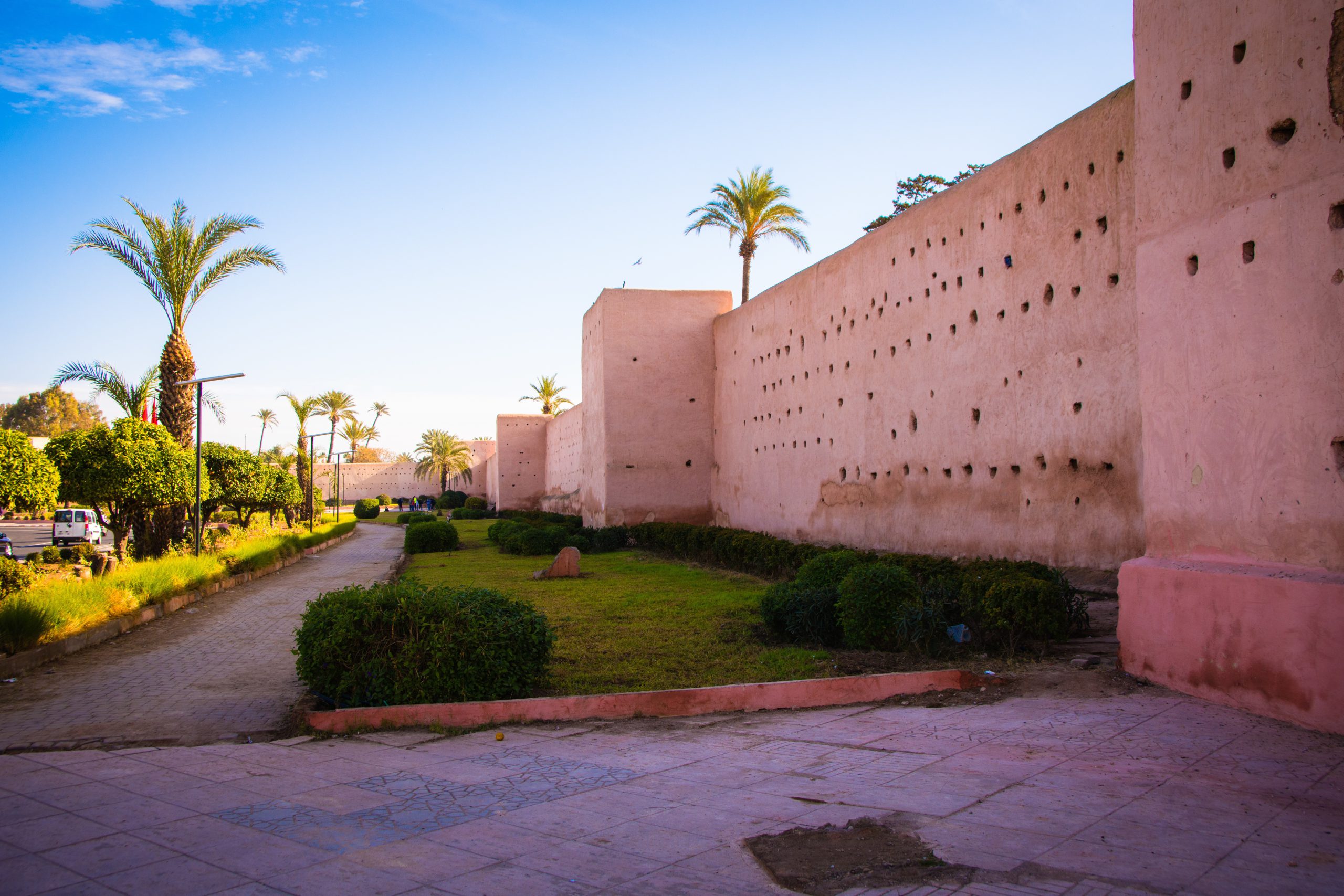
Camping in Morocco: Safe Travel through beautiful nature
Traveling to Morocco by camper means choosing adventure. Besides comfortable warm weather, even in winter, Morocco is also pleasantly affordable. A camper also offers the opportunity to visit all the beautiful places. The crossing from Spain is easy to make. Morocco is a country full of fairytale surprises. Diverse nature, from a vast desert to the Atlas Mountains and cities like real gems in between. In the city, there is always a cozy center in a labyrinth of narrow, hectic streets with colorful markets.
The most beautiful areas
Besides all the beautiful cities, there are magnificent areas to discover such as the Atlas Mountains. A popular destination thanks to its location near the capital Marrakech. In the mountainous area, you will find a combination of high mountains, gorges, riverbeds, mountain villages, and rich flora and fauna. Despite the heat, it is not barren and bare everywhere. In the green areas, waterfalls and rivers provide abundant vegetation. Some mountain peaks are even covered with a thick layer of snow. Quite special in this warm environment. The Atlas Mountains are located in the center of Morocco. To the north is the flat part of Morocco, to the south lies the Sahara desert. A huge plain with sand dunes may seem a bit boring, but the true desert feeling is a unique experience. The area offers nice places such as oases, gorges, and even forests.
The Todra Gorge
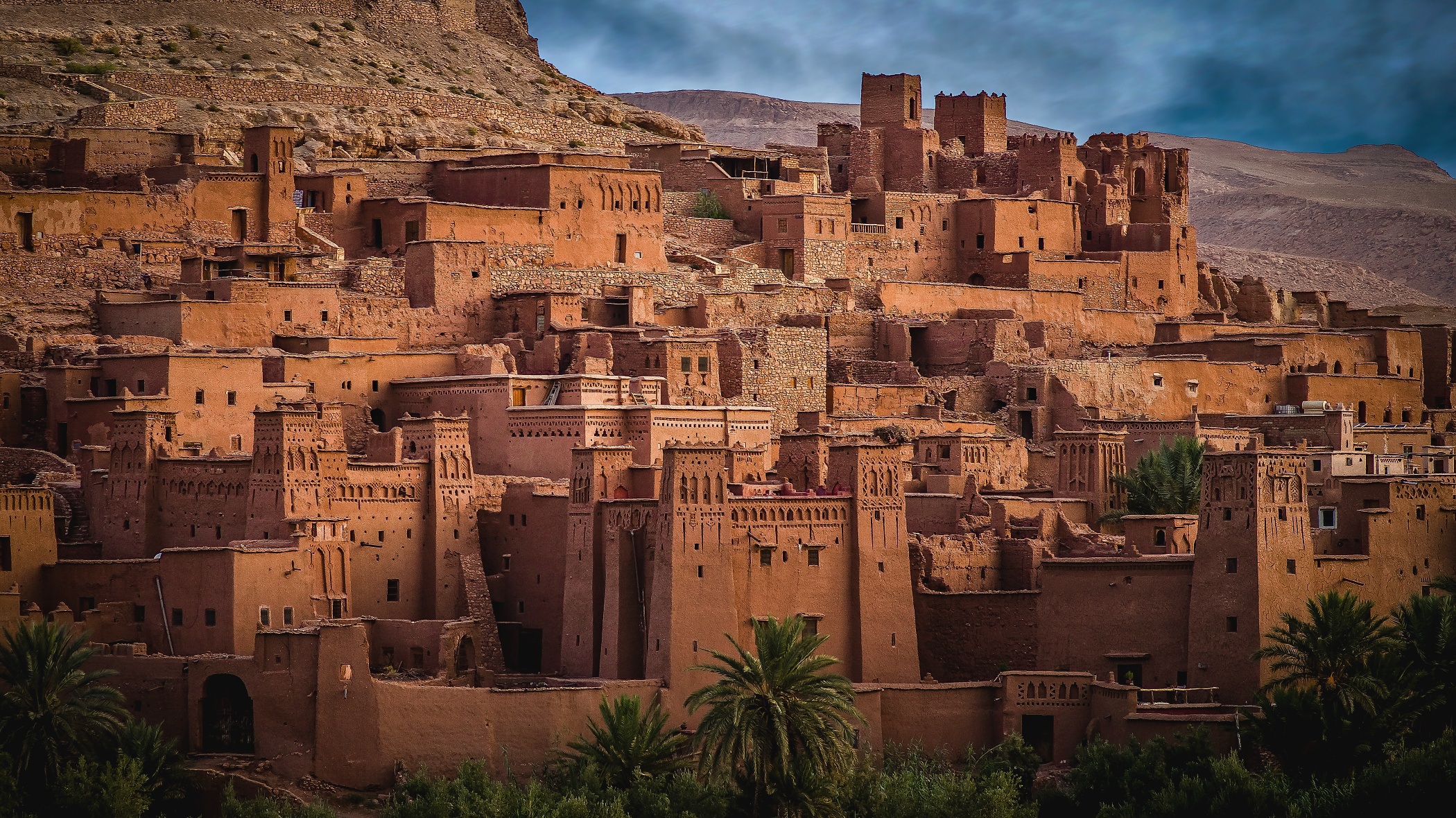
According to many, one of the most beautiful natural areas. The enormous rock walls create an impressive hiking area. Thanks to excellent paths, you can walk along the bottom of the deep gorge with the 300-meter high rock walls around you. The gorge is 15 kilometers long and sometimes only 10 meters wide. It is located in the eastern part of the Atlas Mountains and can be reached in about 6 hours by car from Marrakech.
The coastal areas
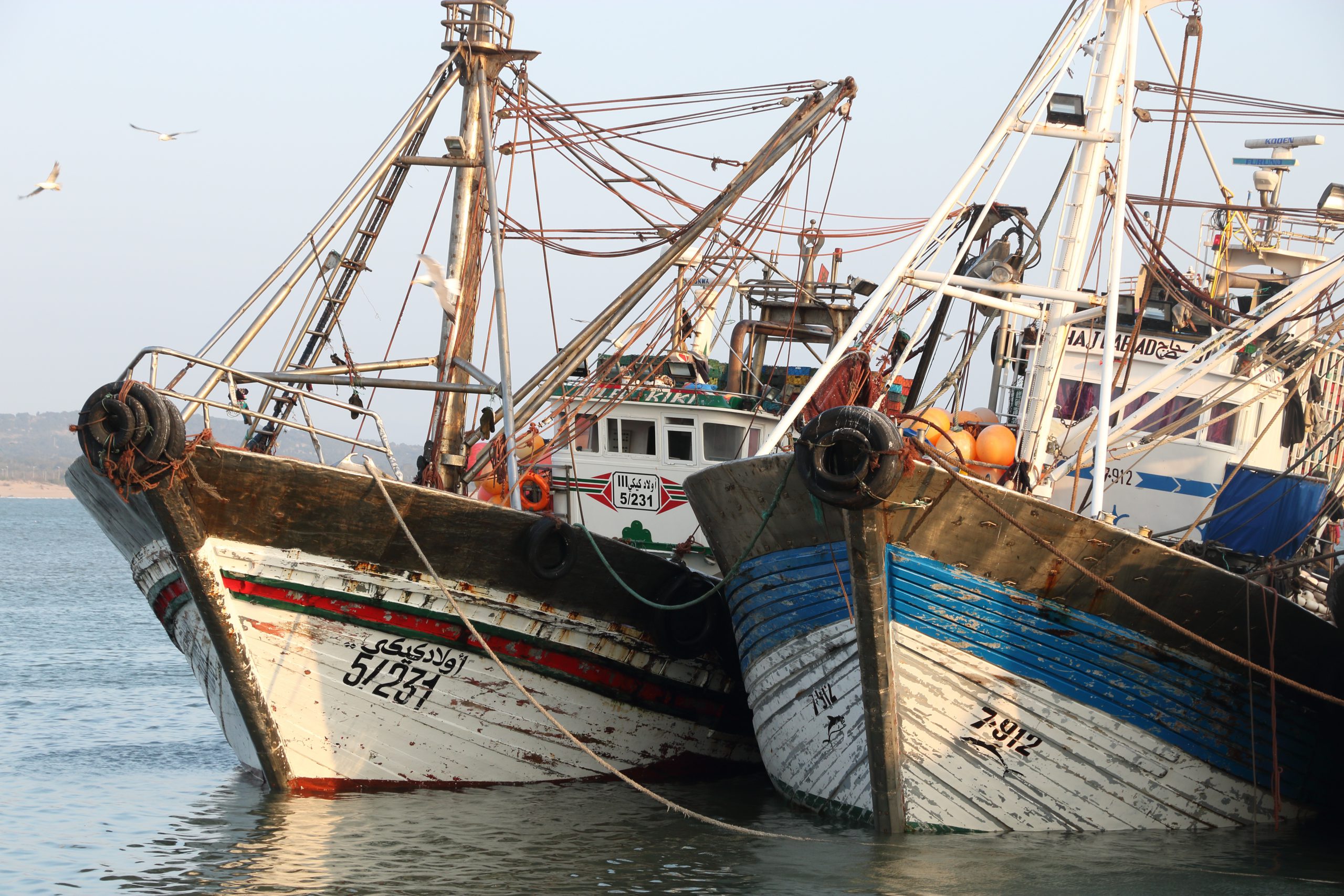
Thanks to the summery weather, Morocco is of course also suitable for a beach holiday. You can choose from various seaside resorts with all amenities. You can surf, swim or kitesurf there. But there is also a lot to experience culturally. Well-known seaside resorts are Agadir, Tangier, Rabat, Essaouira, Casablanca and Saïdia.
Toubkal National Park
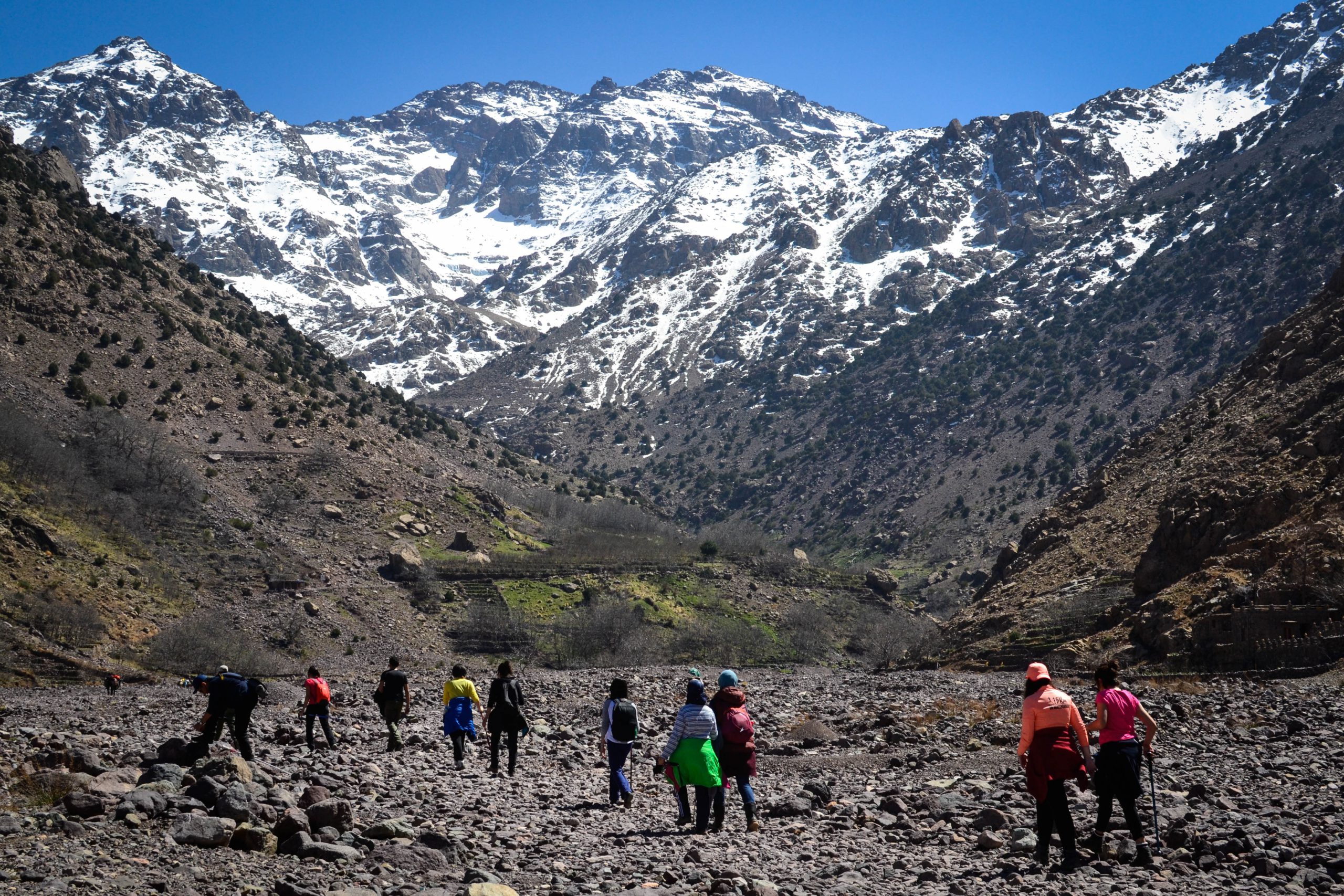
If the Moroccan heat is a bit too much, you can opt for the cooler and green environment of Toubkal National Park. You will find it in the southern interior, only 70 kilometers from the capital Marrakech. It is a mountainous area reminiscent of the Alps. The highest peak measures no less than 4167 meters above sea level. Even in summer, you walk among the snow-capped peaks. It is a beautiful area for hiking where you encounter all kinds of animals such as vultures, wild boars or gazelles. But just as impressive is the mountain landscape with authentic Berber villages. Interesting due to the sometimes quite large cultural differences with the rest of the country.
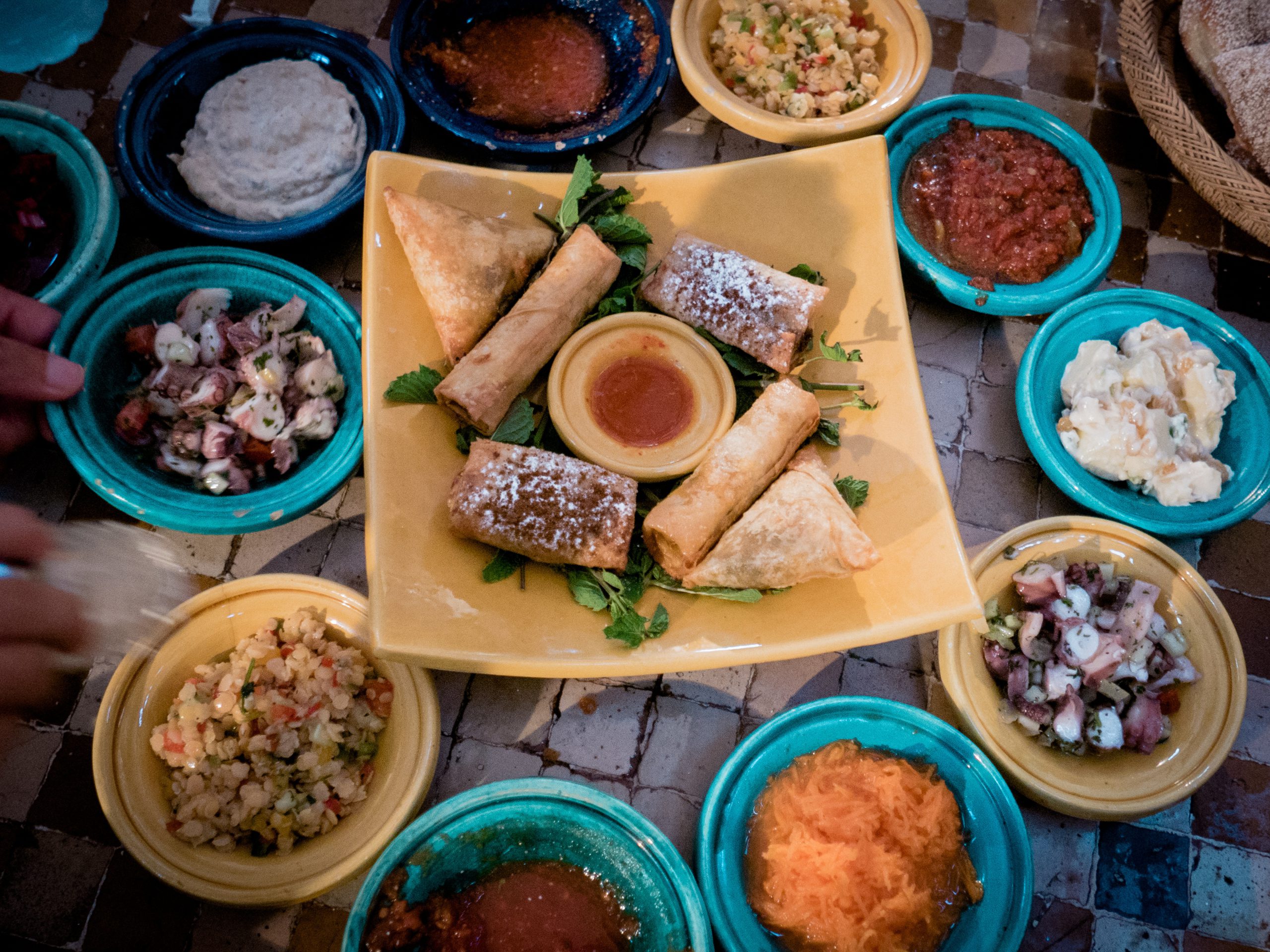
The most commonly spoken foreign language is French. You can often get by with English or Spanish as well. Especially in the north of Morocco, you hear a lot of Spanish. The currency in Morocco is called the dirham. Compared to prices in the Netherlands, everything in Morocco is affordable. It is also part of the culture to negotiate the price when you buy something. So you could haggle, that is common there. The population is also very friendly, hospitable and helpful.
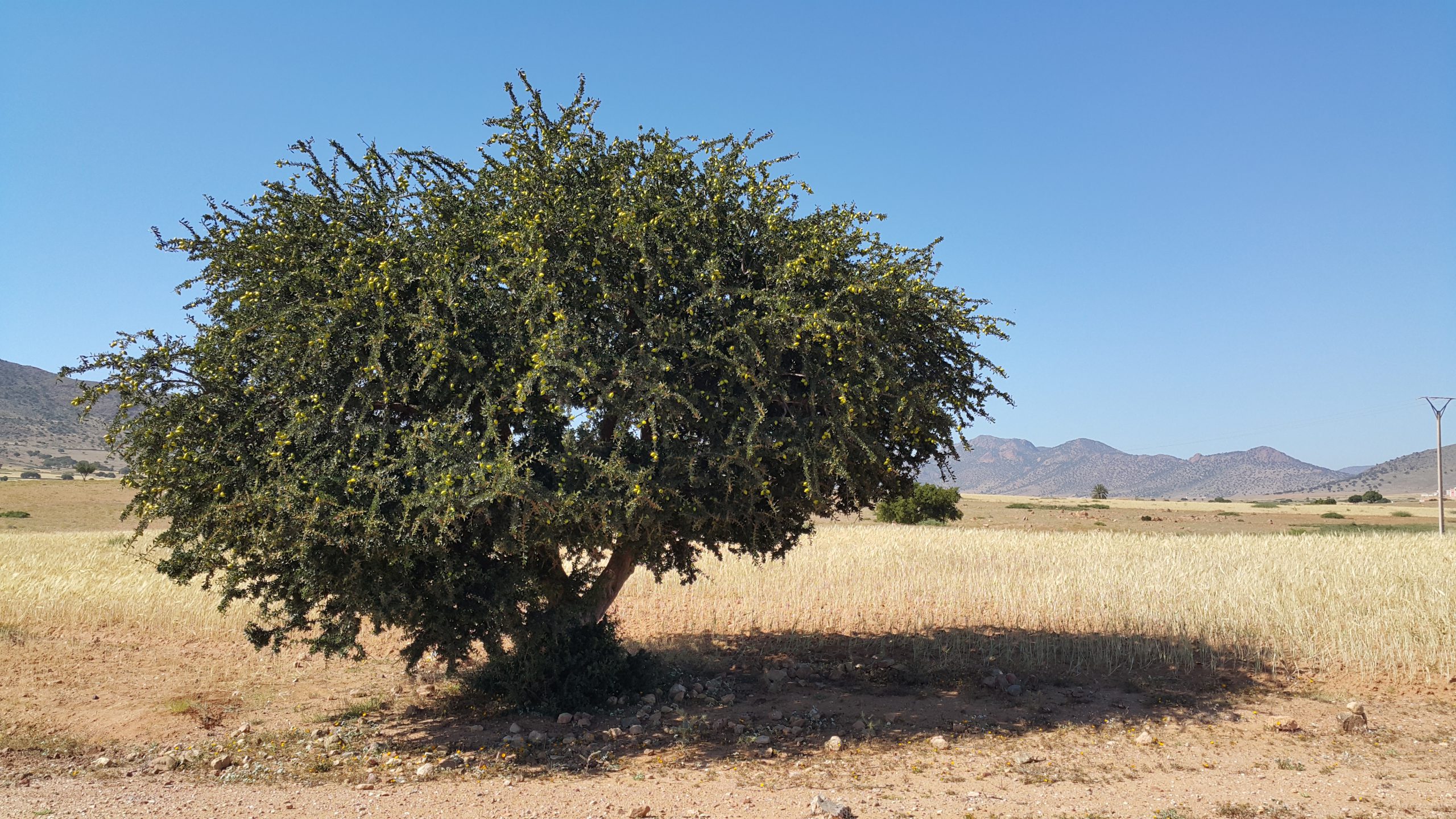
Due to the diverse landscape, there is not just one overarching climate. Among others, the Atlas Mountains, the sea, and the Sahara each have their own character with a different climate. You will first encounter the Mediterranean climate. This warm climate is found on the northwest side of the Atlas Mountains. In the High Atlas itself, a temperate Mediterranean climate prevails along with a warm continental Mediterranean climate. On the north side of the High Atlas, you will find a steppe climate. In the south of the country, a dry desert climate prevails.
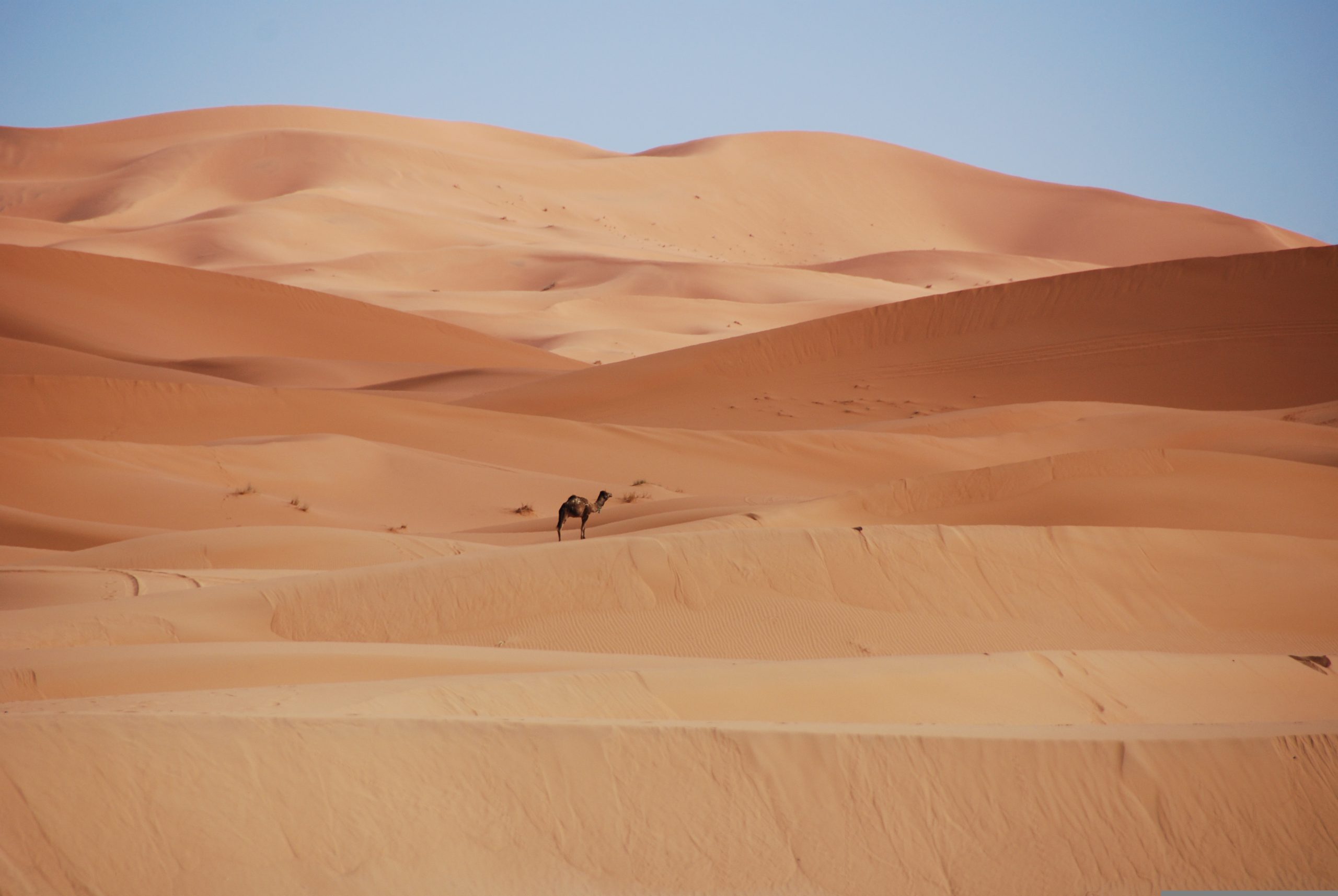
What you also need to take into account in Morocco is the wind. Sandstorms, also called Sirocco, come from the desert as a storm of sand. You can compare it to a wall falling over the landscape. During a sandstorm, the temperature rises considerably. Due to the lack of fresh wind, it remains around 30 and 40 degrees. But Morocco is a country where the sun shines a lot and the temperatures are pleasant. However, the further south you go, the warmer it gets. The sea generally has a cooling effect. Altitude also reduces the temperature.
Morocco is known as a safe country. Make sure you adapt somewhat to Islam. This can prevent tensions. For example, overly revealing clothing or public drinking is not desired everywhere. The roads in Morocco are generally well maintained. The signage is clear and outside the major cities, the roads are not busy. You can therefore travel comfortably in Morocco with a camper. The road network in Morocco and the associated facilities are quite comparable to driving in France. Furthermore, adhere to the traffic rules and be alert to frequent speed checks. Especially on the outskirts of built-up areas and along toll roads, police officers with radar guns are often present. The amount of the fines is generally not too bad. However, it is never worth making life difficult for the officer. Instead, go along with the calm driving style of most Moroccan road users and you will get from A to B without any problems.
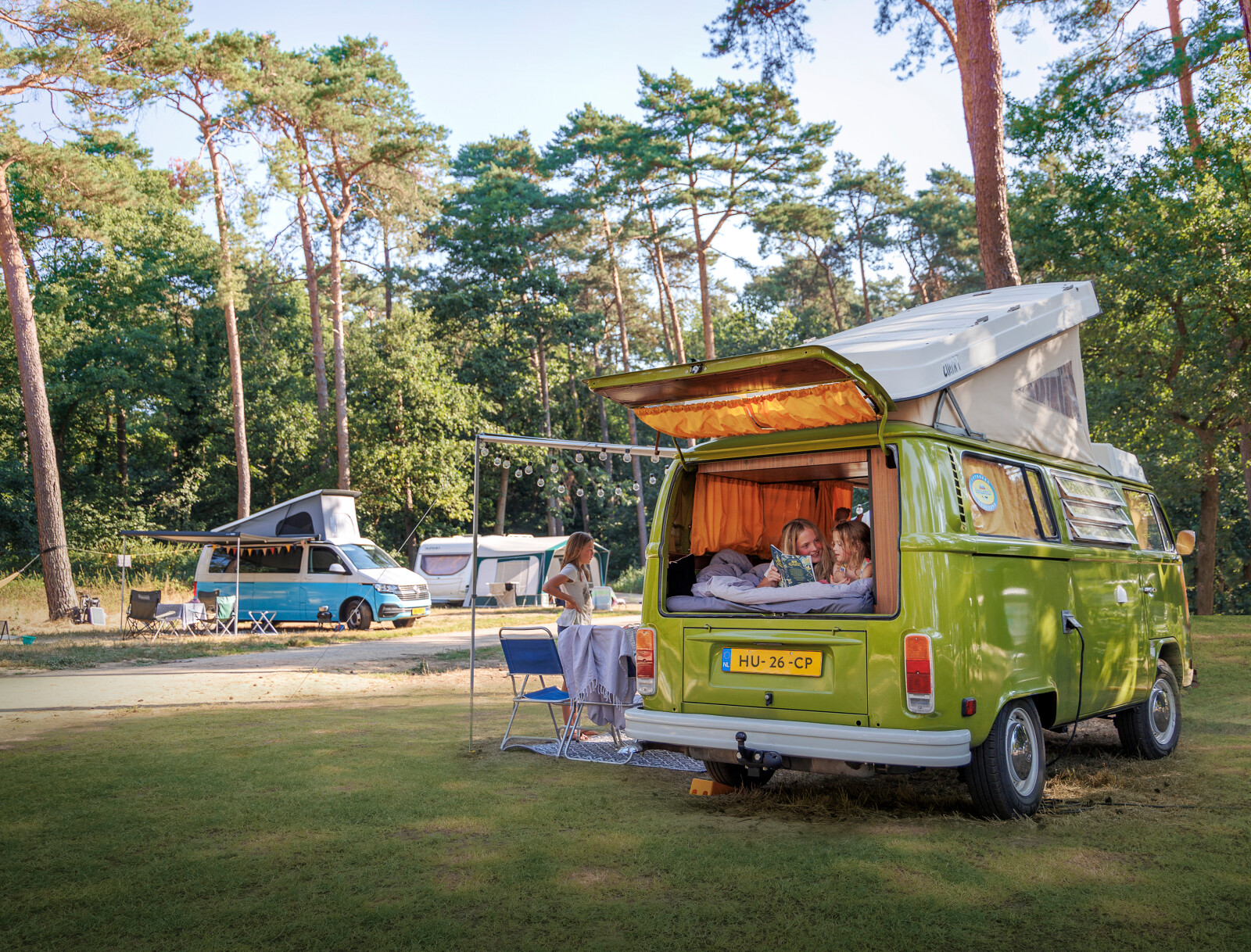
Traveling to Morocco with a camper is less complicated than you might think and highly recommended. Wild camping is allowed throughout the country, but a campsite with all amenities is never far away. There is also a lot new to see because the culture in North Africa is simply different from ours. In addition, in winter you can get far enough south here to still find summery weather.